Whey Prices Have Tripled. Here's the Alternative.
The number that should worry every protein brand
Whey protein concentrate (WPC80) has climbed from roughly $5,500 per metric tonne in 2023 to around $32,000 today, nearly a sixfold increase in under three years. In Europe, current quotes are running €14,000–15,000 per tonne, and manufacturers report selling out before the next production batch even reaches the market.
For any brand that has built its protein line around whey, this isn’t a temporary spike to wait out. It’s a structural shift in the underlying economics of the ingredient.
Why this is structural, not seasonal
Whey is a by-product of cheese production, which means its supply is capped by how much cheese the dairy industry makes, not by how much protein the market wants. Cheese output grows only 4–5% a year worldwide. Demand for whey, meanwhile, is climbing on multiple fronts at once: the continued expansion of sports nutrition, a wave of GLP-1 medication users who need more protein in their diet to preserve muscle mass, and the steady spread of “protein claim” labelling into snacks, dairy, and bakery categories that never used to carry one.
When supply grows at 4–5% a year and demand grows faster across several categories simultaneously, price is the only variable left to absorb the gap. That’s exactly what’s happened.
How brands are already responding
Across the industry, manufacturers exposed to whey are adjusting in three visible ways: shrinking serving sizes to hold retail price points, raising prices and accepting some margin or volume loss, or reformulating toward blended protein systems that reduce whey’s share of the amino acid profile. All three are damage control. None of them make the underlying ingredient cheaper.
A fourth option is available to brands that qualify sooner: moving part of the range onto a protein source that isn’t tied to the same supply chain at all.
An alternative that's already proven, not a pilot project
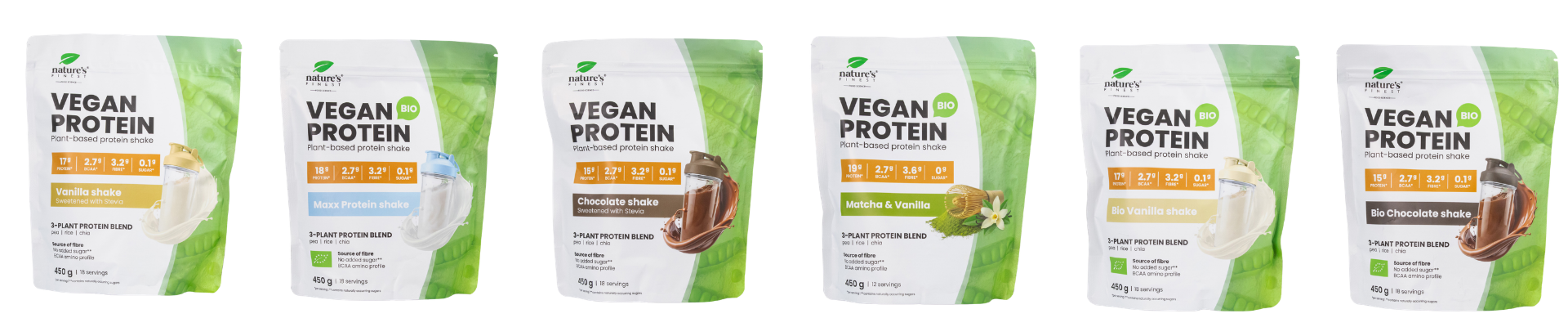
Our Vegan Protein range is built on a pea, rice and chia blend, formulated to deliver up to 18g of protein per 25g serving in its highest-protein option, with 2.7g BCAA per serving and no added sugar across the line. It’s available in four established flavours, plus a certified organic line, and every product is manufactured to IFS Food Standard.
Because it doesn’t compete for the same raw material as whey, its cost base has stayed comparatively stable through the exact period that pushed WPC80 up sixfold. And because it’s an existing, market-proven range rather than a new formulation, it’s available now as stock product or under private label, with none of the lead time a from-scratch reformulation would require.
What this means for your line
If whey volatility is already squeezing margins, or if your team is modelling what happens if prices climb further before they stabilise, this is a good moment to look at where a plant-based option could sit in your portfolio, whether as a hedge, a parallel SKU, or a full replacement in specific formats.
Our Vegan Protein range is already proven, already certified, and ready to ship, as stock product or under your own label, so there’s no lead time to weigh against the cost of waiting this out.
If you’d like to talk through fit, pricing and lead times for your line, we’d like to hear from you.
Get in touch through our contact page.