



Why versatile wellness foods like chia seeds outperform trends
Some wellness products rise quickly and disappear just as fast, but chia seeds are different.
Despite the constant arrival of new superfoods and health trends, chia has remained consistently relevant for years. What began as an ancient food used by civilizations such as the Aztecs and Mayans has evolved into one of the most recognisable ingredients in modern healthy eating culture.
Its success comes from a combination that is difficult to replicate: simplicity, versatility, and compatibility with everyday routines.
Unlike highly specialised wellness products, chia seeds do not require consumers to dramatically change their behaviour. Instead, they integrate naturally into foods and habits people already enjoy.
That makes them commercially resilient.
Why versatile products perform better
One of the biggest strengths of chia seeds is their flexibility, since consumers can use them basically everywhere, from smoothies and breakfasts to baking, puddings and functional drinks.
This creates multiple daily use occasions, which is extremely valuable from a business perspective. Products limited to one specific purpose often struggle to maintain long-term engagement. In contrast, ingredients that become part of several routines tend to generate more frequent usage, higher repeat purchase, and broader consumer appeal.
This is one reason chia has maintained relevance long after many “superfood trends” faded.
The shift toward plant-based wellness
Chia seeds also benefit from their alignment with several broader nutrition trends. As consumers become increasingly interested in plant-based eating, functional nutrition, and minimally processed foods.
Ingredients like chia naturally gain importance. Their neutral taste and easy integration make them attractive even to consumers who are not deeply involved in wellness culture. This allows chia to move beyond niche audiences and enter mainstream consumption habits.
At the same time, consumers increasingly value products that provide multiple nutritional benefits in a simple format.
Bio Chia Seeds offer fibre, plant protein, omega-3 and omega-9 fatty acids, and naturally occurring minerals.
This combination supports their positioning as an everyday wellness ingredient rather than a temporary trend product.
Where Bio Chia Seeds fit
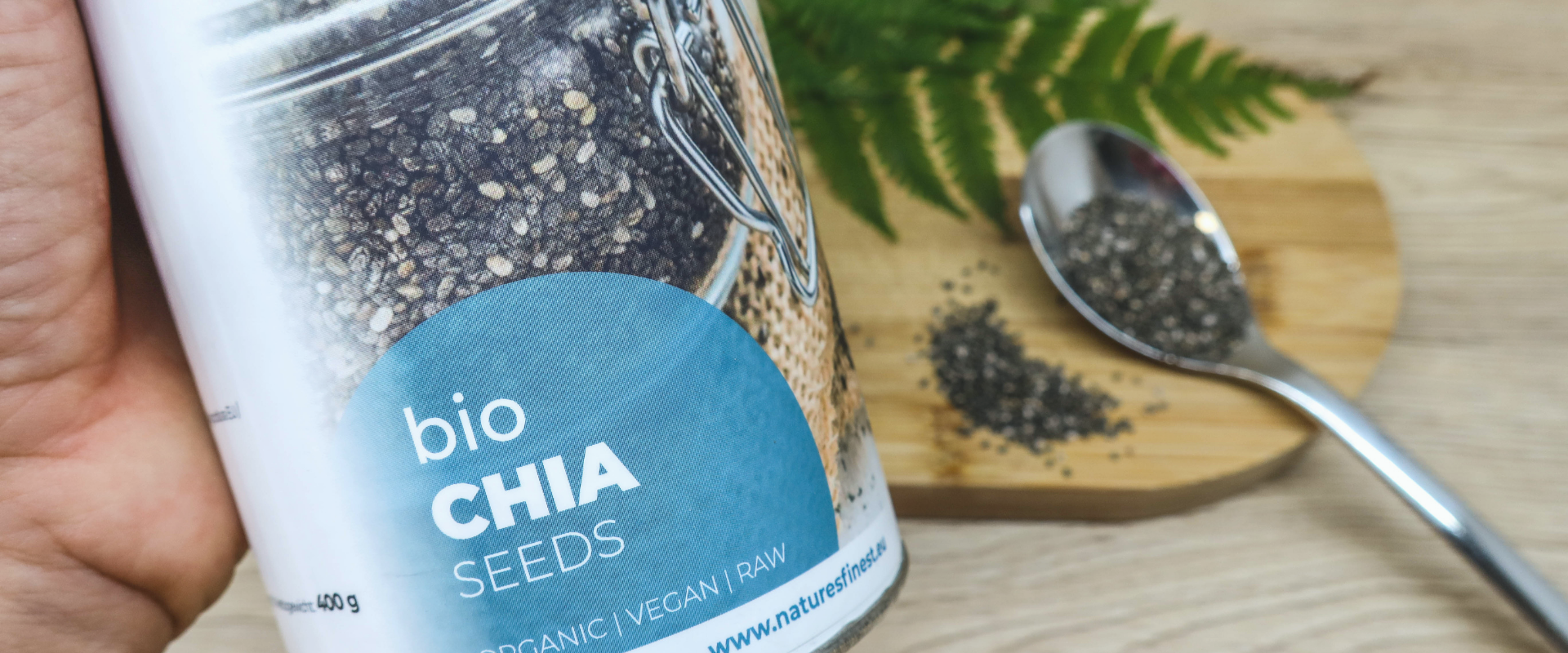
Bio Chia Seeds were developed around this simplicity and everyday usability.
The product contains organically grown chia seeds with a naturally neutral flavour and highly versatile texture. One of chia’s most unique properties is its ability to absorb large amounts of liquid, forming a gel-like consistency that works particularly well in modern wellness recipes.
This functionality significantly increases usage possibilities and encourages creative integration into daily meals.
At the same time, the organic positioning aligns with growing demand for:
- clean-label foods,
- minimally processed ingredients,
- and sustainable nutrition choices.
Because the product works across multiple occasions it naturally supports consistent use and repeat purchasing behaviour.
A category built on habits, not hype
One of the reasons chia has remained commercially successful is that it is no longer perceived as a “trend product.” It has become part of established wellness routines.
Consumers already understand what chia is, how to use it, and where it fits into their lifestyle. This lowers the barrier to purchase and makes the category more stable than many fast-moving wellness trends.
For retailers and partners, this creates a valuable balance:
a product associated with wellness and modern nutrition, but supported by long-term everyday usability.
Why this matters for you
Chia seeds succeeded because they solved a simple challenge: how to make healthy eating easier to integrate into real life.
Their versatility, ease of use, and compatibility with modern wellness habits helped transform them from an ancient food into a global wellness staple.
Bio Chia Seeds fit directly into this movement by offering a clean, organic, and highly adaptable ingredient consumers can use across multiple daily routines.
And in a market where consumers increasingly value products that combine simplicity with functionality, that versatility becomes one of the strongest advantages a product can have.