The €3B Matcha market and its retail potential
Matcha did not become a multi-billion-euro category overnight. What began as a traditional Japanese green tea used in ceremonial settings entered Western markets quietly, first through specialty cafés, then through Instagram-driven latte culture. For a while, it was aesthetic. Premium. Photogenic.
But trends that survive don’t rely on aesthetics alone.
They evolve.
Phase 1: Café culture & visual trend
The first wave of matcha adoption was lifestyle-driven. Matcha lattes became a visible alternative to coffee, associated with calm energy, clean eating, and minimalist wellness. This phase created awareness. But awareness alone does not build a €3B+ global market.
Phase 2: Functional Ingredient
The second phase transformed matcha from beverage to functional ingredient. Consumers began understanding that matcha contains:
-
naturally occurring caffeine,
-
L-theanine (associated with smoother energy and focus),
-
high concentrations of catechins and antioxidants.
Unlike coffee, matcha provided energy without the abrupt crash.
Unlike synthetic stimulants, it felt natural and sustainable.
This repositioned matcha from “trend drink” to “clean performance support”.
Phase 3: Cross-Category Expansion
Today, matcha is no longer confined to cafés. It appears in:
-
functional beverages,
-
sports nutrition,
-
nootropic blends,
-
metabolism-focused supplements,
-
beauty-from-within products,
-
protein powders,
-
snack bars,
-
and even skincare.
Few ingredients manage to expand across so many categories while maintaining a premium perception. That versatility is commercially significant.
It reduces dependency on a single claim or audience segment and increases resilience against short-term trend fatigue.
The numbers behind the momentum
Industry analyses project the global matcha market to exceed €3 billion within the coming years, with steady compound annual growth driven by:
-
increasing demand for plant-based products,
-
growing preference for clean-label ingredients,
-
shift toward natural energy solutions,
-
and rising interest in antioxidant-rich daily rituals.
Unlike aggressive fat-burner cycles or short-lived superfood spikes, matcha’s growth has been gradual and sustained, a sign of structural demand rather than hype.
Why Matcha performs on shelf
From a retail perspective, matcha offers several advantages:
- Premium positioning: Matcha naturally commands higher prices because of sourcing, origin, and quality perception.
- Daily use frequency: Unlike seasonal detoxes or short-term programs, matcha fits into daily routines, increasing the potential for repeat purchases.
- Multi-benefit storytelling: Everything from energy and focus to antioxidants, metabolism, and longevity. One ingredient, multiple narratives.
- Visual & lifestyle appeal: Matcha retains strong branding value, it photographs well, fits modern wellness aesthetics, and appeals to younger demographics.
In a supplement market where many categories fight for differentiation, matcha stands out without needing aggressive claims.
Where Bio Matcha Powder fits
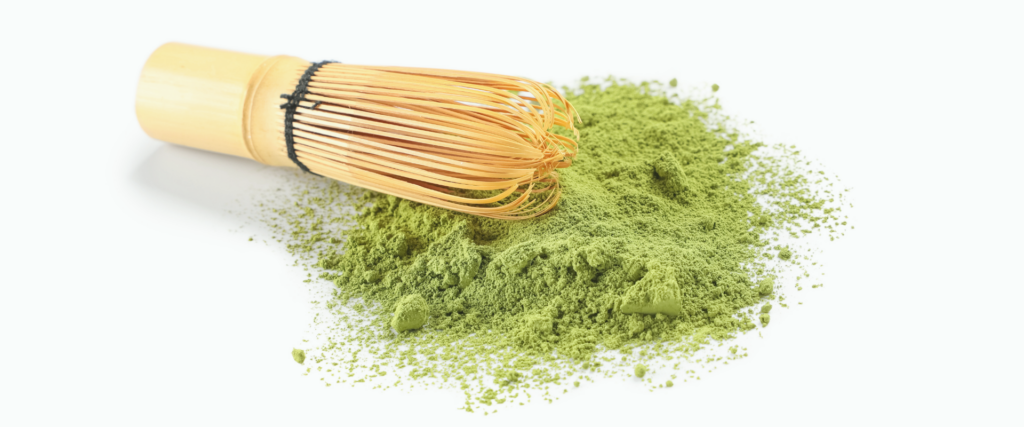
Bio Matcha Powder was developed to sit directly within this premium growth segment. As a pure, organic matcha format, it allows retailers and partners to position the product across multiple wellness needs rather than limiting it to one claim.
It integrates naturally into:
-
morning rituals,
-
pre-workout routines,
-
smoothie programs,
-
metabolism support ranges,
-
and premium wellness assortments.
Instead of competing in overcrowded stimulant-based energy categories, Bio Matcha Powder leverages structural growth in clean energy and plant-based performance.
Not a trend, a structural shift
The evolution of matcha tells a broader story about the supplement industry.
Consumers are shifting:
-
from aggressive to sustainable energy,
-
from synthetic to plant-based,
-
from short-term hacks to daily rituals.
Matcha sits exactly at that intersection. In a market where categories come and go, ingredients that evolve and expand tend to become foundational. Matcha is moving in that direction.
If you want to put it on your shelf, fill out the form below.
References
-
Grand View Research – Matcha Market Size, Share & Trends Report
Reports sustained double-digit CAGR growth driven by functional beverage demand and antioxidant positioning.
https://www.grandviewresearch.com/industry-analysis/matcha-market -
IMARC Group – Matcha Market: Global Industry Trends & Forecast
Projects global matcha market exceeding €3B+ within the decade, supported by plant-based and clean-label demand.
https://www.imarcgroup.com/matcha-market -
Fortune Business Insights – Functional Beverages Market Report
Explains growth of natural energy beverages and plant-based functional ingredients like matcha.
https://www.fortunebusinessinsights.com/functional-beverages-market-102345