Why Matcha is reshaping the beverage category
Over the past few years, matcha has moved from a niche product into one of the most visible trends in the global beverage and wellness market. What was once limited to specialty cafés is now widely present across retail, hospitality, and e-commerce channels.
This expansion is part of a broader shift toward functional beverages, a category estimated to exceed €100 billion globally, with expected annual growth of around 6–8%. Within this space, matcha has emerged as one of the fastest-growing segments, driven by its strong association with energy, wellness, and lifestyle positioning.
At the same time, the category benefits from premiumisation. Matcha-based products often command higher price points than traditional beverages, while still maintaining strong demand. For retailers, this creates a rare combination: high perceived value + growing consumer interest.
Changing consumer expectations around energy
One of the key drivers behind matcha’s growth is the shift in how consumers think about energy.
Coffee remains the dominant category, but its limitations are becoming more widely recognised. Consumers are increasingly aware of the energy spikes and crashes associated with traditional caffeine sources, and many are actively seeking alternatives that offer a more stable experience.
This shift is reflected in market behaviour. Searches for “coffee alternatives” and “natural energy drinks” have grown significantly in recent years, while categories such as matcha and adaptogenic beverages continue to expand.
Matcha fits directly into this demand. It offers a perception of sustained, balanced energy, making it particularly attractive to younger consumers, urban professionals, and wellness-focused audiences, all key drivers of premium product growth.
From product to ritual: the importance of experience
Another factor behind matcha’s success is the increasing importance of daily rituals.
Consumers are no longer just buying beverages, they are buying experiences that fit into their routines. Morning rituals, mid-day resets, and moments of pause have become important parts of modern lifestyles.
This behavioural shift has strong commercial implications. Products that become part of daily habits generate:
- higher usage frequency
- stronger brand attachment
- and increased repeat purchase
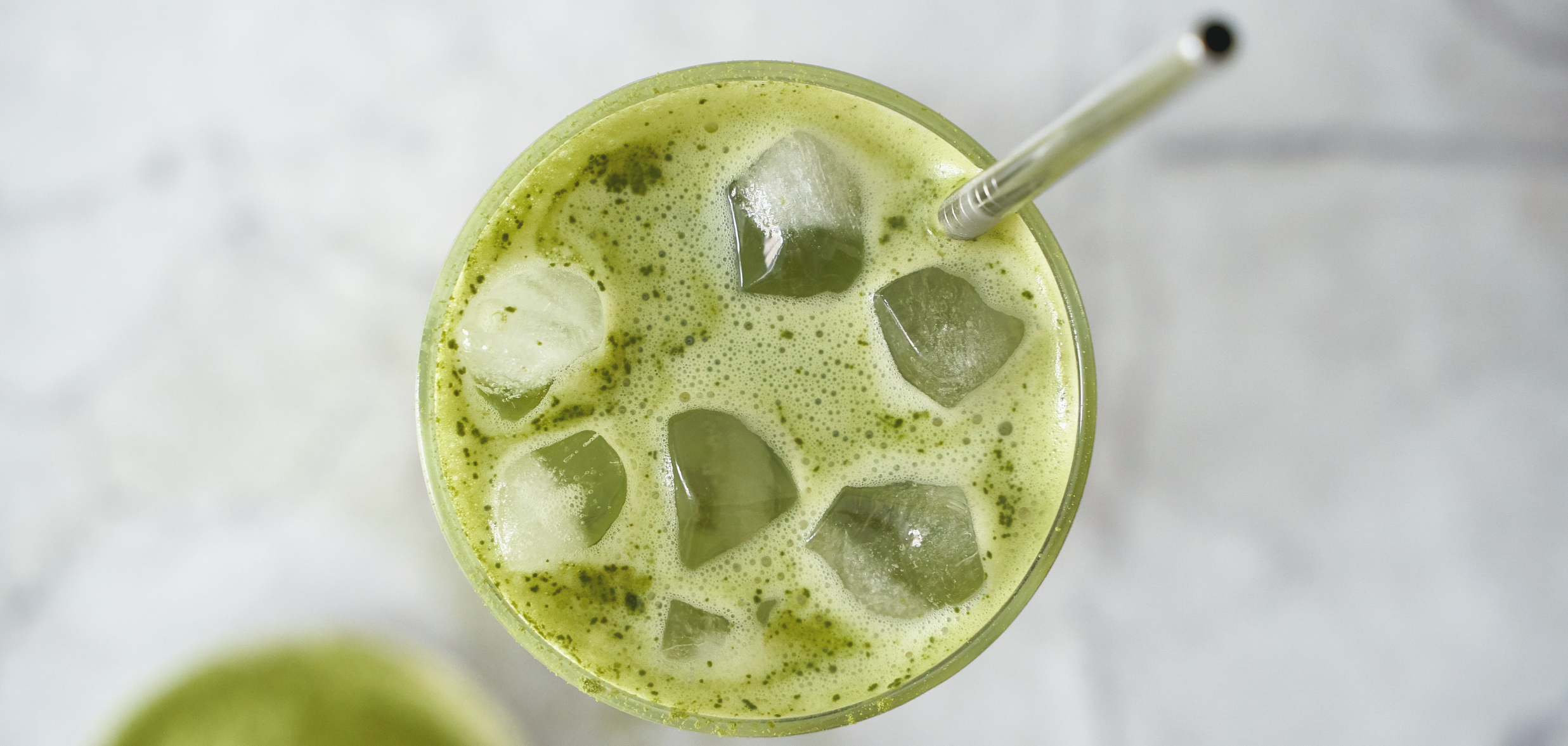
Matcha-based drinks, especially in latte formats, naturally fit into this space. They are not consumed randomly, they are integrated into structured routines, which increases their long-term value.
Where Matcha Chai Latte fits
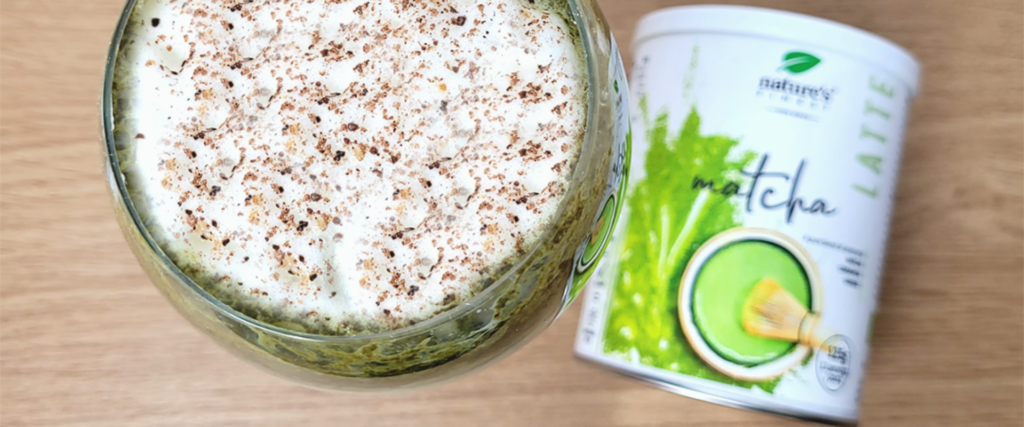
Matcha Chai Latte was developed to translate this growing trend into a product that is both accessible and commercially effective. The formula combines organic matcha with cinnamon and ginger, creating a product that delivers more than just energy. It offers a multi-dimensional experience, combining functionality, taste, and comfort.
This positioning aligns with current consumer expectations, where products are expected to provide:
- sustained energy,
- additional functional benefits (such as digestive support),
- and a pleasant consumption experience.
The latte format plays a crucial role here. Unlike traditional matcha preparation, which can be perceived as complex, this format simplifies usage and removes barriers to entry. Consumers can easily prepare a high-quality drink at home, which increases the likelihood of regular use.
A product aligned with high-growth segments
Matcha Chai Latte sits at the intersection of several fast-growing categories:
- functional beverages (€100B+ market, 6–8% CAGR)
- plant-based products (double-digit growth in many EU markets)
- premium wellness beverages
- coffee alternatives (rapidly expanding subcategory)
This positioning significantly increases its commercial potential. Products that connect multiple trends tend to outperform those that rely on a single angle.
With a 4.85 / 5 rating and over 700 verified reviews, the product already demonstrates strong consumer acceptance, an important indicator in a category where trust and experience play a major role.
Why this matters for you
Matcha is no longer an emerging trend, it is becoming a stable and expanding category within the global beverage market.
Multiple long-term drivers support its growth: the shift toward functional beverages, changing expectations around energy, and the increasing importance of daily consumption rituals. Together, these factors create a category that is both highly visible and commercially relevant.
For retailers and partners, the opportunity lies in offering products that make this trend accessible, repeatable, and easy to integrate into everyday life.
Matcha Chai Latte fits directly into this opportunity. By combining quality ingredients, functional benefits, and a user-friendly format, it transforms a growing trend into a practical, scalable product.
And as matcha continues to evolve from trend to habit, products like this are not just participating in the category, they are helping drive its growth.